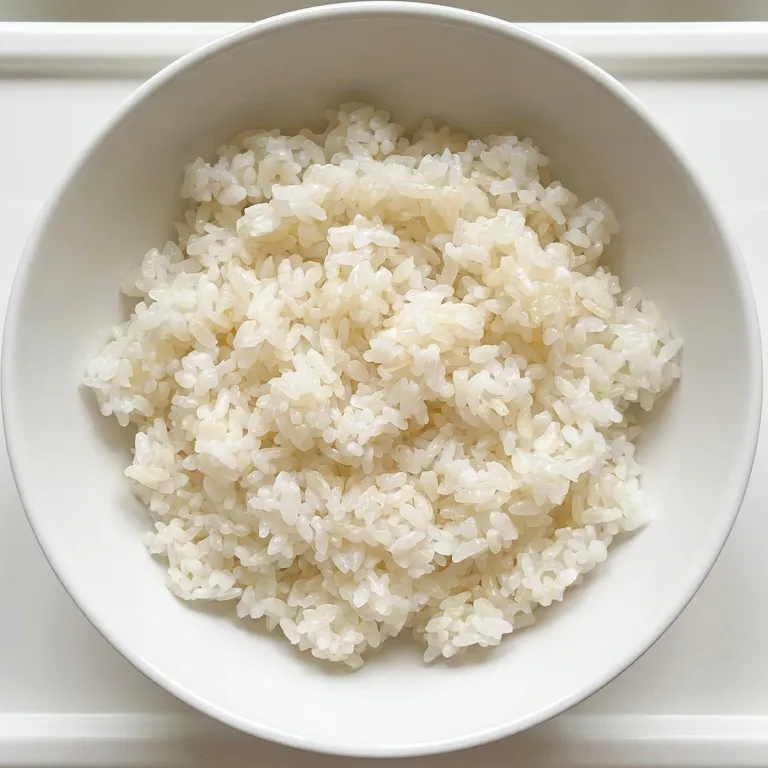
Rice, what it looks like
Rice
Based on IAP, ICMR-NIN and 3 more sources
Safe from 6 months
Not a common allergen

Rice can start from six months, cooked soft into a smooth, thick porridge a new tummy manages easily. It is the gentle grain most of our babies begin on. On its own it is light on iron and protein, so the ICMR-NIN counts it an energy food, best served with dal, ghee and vegetables.

How to serve

6+ monthsStart here
9-12 months
12+ months
Smooth thick porridge6+ months

We can start her on a smooth, thick rice porridge, cooked soft and well mashed. Loosen it with a little breast milk, formula or water so it scoops up easily and still sits on a tilted spoon. Keep it thick rather than watery, since thin rice water does not carry enough energy on its own.

She can also take soft rice stirred through a dal she already takes, and the plain rice your family cooks is a fine place to start.

Keep it plain, with no added salt while she is little and no added sugar before she is two. A couple of small spoonfuls is plenty to begin, and you can let her appetite lead, with no need to push in extra spoons for faster weight gain.

Soft little lumps9-12 months

Now she can manage soft little lumps she lifts herself. You can mash the rice a bit coarser than before, or press it into small soft balls and flatten the grains with a fork so they hold together. Picking these up is how her pincer grasp gets its practice.

If idli is already something your family makes, it fits in well around this age too.

Keep the rice moist so it stays together, since dry, loose grains can spread about and set off a cough. Offer just a little at a time and follow her cues, topping up as she wants more.

Spoon, fingers, or both? (coming soon)
Soft family rice12+ months

From a year, rice joins the family plate, and she eats much the way everyone else does. The family's other foods can be chopped small for her. Her own rice can still be cooked a little softer, or mashed a little more, while she needs it. Soft dal and rice together is the easy everyday meal at this age. Keep her own portion light on salt and spice, even if the family's food is not.

She can start scooping it up herself with a little fork or spoon, and a bit of stickiness helps it hold on so she can. How much she takes is up to her now, alongside everything else on her plate.

Spoon, fingers, or both? (coming soon)
Myth busted

A thick, well-mashed rice is what actually feeds her from six months. Thin rice water is a gentle taste, never a match for her milk or her main food.

Why?

Rice water is mostly starch and water, so it is light on the calories, protein and iron a six-month-old needs. It can never stand in for her milk. From six months her food should be thick and well mashed, enough to sit on a tilted spoon. If elders like giving a little kanji, keep it small and alongside her milk feeds, and let her real meal be thick, well-mashed rice or a soft khichdi she can actually grow on.

What other moms wonder

Real questions from moms, answered by Anu.

We started soft rice a few days back and she seems constipated now. Should I add more ghee?
Starting solids often firms up motions while her tummy learns to digest new things, so this is common. It is not about needing more ghee. Offer her a little water between feeds and some soft fruit or vegetable, and it usually settles. If it does not settle in a few days or she seems really uncomfortable, check with your paediatrician.
She used to eat rice happily, now she flatly refuses it. Nothing plain works.
Plain rice is bland, and lots of babies lose interest in it around now. Try offering it the way she already takes it happily rather than plain, and keep offering gently without forcing. It often takes many tries before she accepts a food she turned down.
When she refuses food (coming soon)

More questions

I tried mashed bhaat and she kept gagging. Can I purée it, or will that hold her back?
At six months a smooth mash is exactly right, so puréeing now is not holding her back. Keep the rice moist and well mashed so loose grains do not scatter. Choking vs gagging ›
I keep hearing rice needs a pinch of salt and a lot of ghee to taste good and help her gain weight. Is that right?
No, she does not need added salt. Salt is best left out while she is little. Rice puts on weight best as a carrier, cooked soft with dal, a little ghee and some vegetables, rather than on its own. It is the whole mix on her plate that helps her grow.
Should I try baby-led weaning with rice?
A mix of both suits rice well. She starts at six months on a smooth mash from the spoon, and by nine months or so she is ready to lift soft little lumps herself. That is when the IAP starts adding foods she can pick up herself alongside the mash. Spoon, fingers, or both? (coming soon)
How much rice, and how often?
Rice can come every day, just not as the whole plate. Think of it as the base that carries other foods, paired with dal, a little ghee and some vegetables. At six months a spoonful or two is plenty, so follow her appetite and build slowly to a small katori as she grows. Try to give her a variety of foods across the day, so rice sits as one part of her plate and not the whole meal. How much she should eat (coming soon)
Should I worry about arsenic in rice, and does the type of rice matter?
The guidance here is easy to follow: you do not need to keep rice off her plate, only to not let it be the only grain she eats. Rice does take up a little more arsenic than other grains, which is why packaged infant rice cereal should not be her only or her first cereal. Plain white rice is generally a bit lower in it than brown. The simplest safeguard is a mix of grains.
If I cook extra rice, can I keep the leftovers and warm them up for her later, or is that not safe?
Yes, you can cook rice ahead, it just needs a little more care than other foods. Cool it quickly, within an hour, then keep it in the fridge and use it within a day. When you warm it, heat it right through until steaming hot, then let it cool before she eats. Warm it only once, never again and again. And if she leaves some half-eaten, throw that portion away rather than saving it for later.

If this helped, send it to a friend.

Share with a mom friend ›
Talk to meWondering about a food, or something a page doesn’t cover?I check the guidelines and reply. Talk to me on WhatsApp Want to hear when new pages go up?One short note on WhatsApp when a new food or guide is ready. Nothing else. Follow the channel
Educational only, and never a replacement for your paediatrician. Read the full note ›