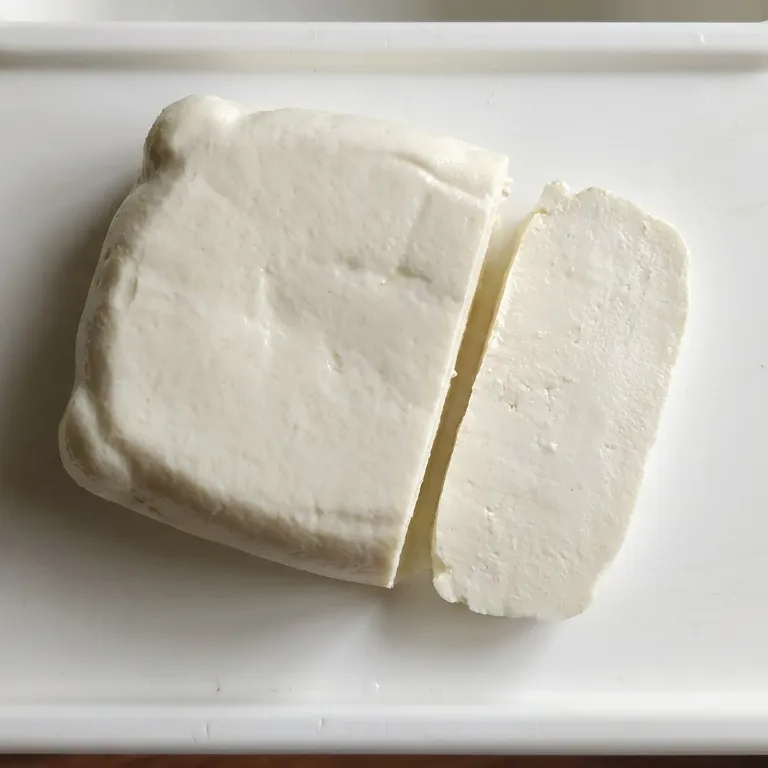
Paneer brings dairy's protein and fat in a form soft enough for a brand-new eater, and ICMR-NIN names it among the good sources of protein. She can start on it from around six months, once she is ready for solids. The WHO counts dairy among the food groups she needs right through her first two years.
How to serve
Soft mash or fine grate6+ months
At six months she can have paneer as a soft mash. Cook it through until it gives easily, then mash it with a fork until no firm bits are left. A little of her usual milk or warm water loosens it so it scoops up soft.
Mashed or finely grated, it stirs through dal, khichdi, mashed vegetables or porridge she already takes.
Nothing salty goes in with it at this age, and sugar and jaggery both wait until she turns two.
Crumbles or small soft pieces9-12 months
From nine months she is ready for pieces rather than the mash she has been taking. You can steam or boil the paneer until it is soft enough to mash easily with a fork. Once it is cooked, give it two or three minutes in a bowl of warm water before you crumble or chop it. Crumbles and small bite-sized pieces cut from a flat slice are both easy for her to pick up.
By now her crumbles can be coarser than the fine grate she took in the early months, and grated paneer still stirs nicely through her soft foods. Pieces this size give her good practice at her pincer grasp.
Keep every piece soft and no bigger than your fingertip, and stay beside her while she eats. No added salt goes into her food while she is under one.
Soft cubes or matchsticks12+ months
By a year paneer can go on her plate as soft cubes or matchsticks, on their own or as part of what everyone is eating. Thin fingers about as long as your little finger are easy for her to hold.
If your family already makes paneer bhurji, she can start having a little of it around a year.
A firm piece is still the thing to watch, so press each cube with a fork before it goes on her plate and check that it gives easily. Go light on the salt and spice in the shared pot, and sugar and jaggery still wait until she is two.
A plain shop-bought paneer made from pasteurised milk is fine for her. It does not have to be homemade to be safe.
Why?
What matters is the milk, not the kitchen it came from. Check that it is made from pasteurised milk and that the ingredient list is plain, because some paneer sold in packets carries soy or other common allergens. If making it at home feels better to you, it genuinely is the plainest version, and ICMR-NIN groups home-made paneer with the least-processed foods. Either way, keep it in the fridge.
What other moms wonder
Real questions from moms, answered by Anu.
More questions