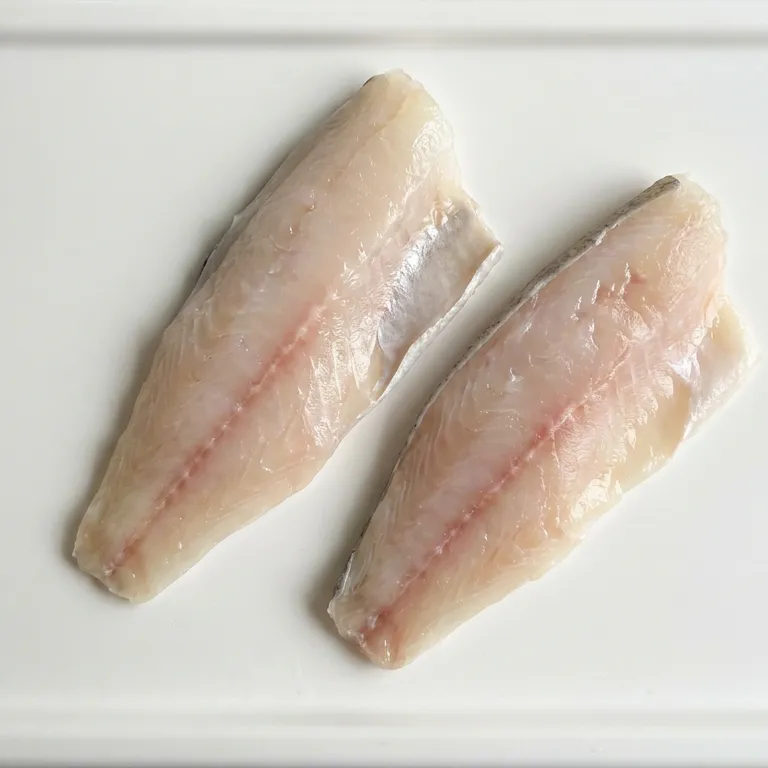
Fish, what it looks like
Fish
Based on IAP, ICMR-NIN and 3 more sources
Safe from 6 months
High-proteinHealthy fats

Well-cooked, deboned fish, flaked soft, can start from around six months. It gives her the high-quality protein of a flesh food, and the oily kinds like salmon carry the long-chain omega-3 that the WHO links to a baby's brain, eyes and nerves.

How to serve

6+ monthsStart here
9-12 months
12+ months
Soft flaked mash6+ months

We can start her on a gentle fish like salmon, sardines or pomfret, boiled or steamed until it flakes easily, with the skin and all bones removed. Flake it flat on a plate and press through it with your fingers to feel for any stray bone, then mash it soft, loosening with a little breast milk, formula or water to a smooth, scoopable mash.

You can also stir the soft flakes through a dal, khichdi or a little curd she already takes. Because fish is a common allergen, give it by itself the first few times and watch her over the next few days before adding another new food. A spoonful or two is all she needs at the start, and let her appetite guide the rest.

If your family prefers to start fish a little later, nearer eight months, that is completely fine. The start is the same either way, with the same soft deboned flakes and small amounts.

Soft flakes and pieces9-12 months

Now you can offer soft, deboned fish in bigger flakes and small bite-sized pieces she can pick up herself. Picking up these pieces is good practice for her pincer grasp, the thumb and forefinger coming together that she uses to feed herself. Keep checking for bones each time, even in a piece that looks clean.

Flaked fish stirred through rice, dal or a soft khichdi is an easy way to serve it, still with no added salt in her food while she is under one.

Spoon, fingers, or both? (coming soon)
Deboned family pieces12+ months

By a year, she can have the same fish the family eats, in a mild curry or simply pan-cooked, chopped or flaked into pieces she can manage herself.

Go on checking every piece for bones even now, and keep her share light on salt and spice.

Spoon, fingers, or both? (coming soon)
Myth busted

Fish and milk are safe to give on the same day.

Why?

This is an old belief about pairing certain foods, and it still gets passed around at home. There is no need to keep her fish and her milk apart for her health, so you can give both on the same day. If spacing them out keeps the peace at home, that does no harm at all, but she does not need it.

What other moms wonder

Real questions from moms, answered by Anu.

I'm terrified of missing a tiny bone in rohu or catla, is boneless basa actually safer?
The bones are what to watch, not the type of fish. A boneless fillet like basa can still hide a pin bone, and rohu is just as safe once it is properly deboned and flaked soft. Feeling gently through the soft flakes is what catches a stray bone. Cook whichever your family knows best.
Choking vs gagging ›
I've been giving tuna and bangda twice a week, now I've read about mercury, have I harmed him?
That worry is so common. Mercury builds up through regular eating, so what matters is what she eats from here. Settle into a gentle rhythm. Salmon and sardines are the clearly low-mercury small fish, and a couple of times a week is a good pattern. Tuna varies a lot by type, so it is best eased off for now.

More questions

She ate fish happily since six months, now at one she suddenly spits it out.
This sudden turning away at one is common, and it is nothing you did wrong. Her tastes shift for a while. Keep offering a little without pressure, maybe flaked into the rice or dal she already takes. When she refuses food (coming soon)
Some Indian guidance says eight months for fish, why do you say six?
The eight months you may see comes from ICMR-NIN's guidance, and it is a careful, reasonable view. We say six because the WHO places animal foods like fish in the daily diet from six months, the IAP starts complementary foods at six completed months with animal foods among them, and the AAP finds no reason to wait longer to prevent allergy. If your family or paediatrician prefers to start at seven or eight months, that is completely fine. Begin the very same way, with soft, deboned flakes in a small amount.
My baby has no teeth yet. Can she manage flaked fish?
She does not need teeth for soft flaked fish. Babies chew soft food with their firm gums well before teeth arrive. Well-cooked, deboned fish, mashed or flaked soft, is easy for her to manage.
Which kinds of fish are best to start with, and are any best avoided?
The easiest to start with are salmon and sardines. Both are soft and gentle and low in mercury, so they make a good choice when fish is on her plate. Pomfret works well too, a soft, boneless fish that is gentle and easy for her. A few of the biggest sea fish are high in mercury and best avoided: shark, swordfish and king mackerel. Surmai, also called seer, is one to hold aside as well, but for a different reason. How much mercury it holds for a baby is not well established yet, so it is safest to wait on it and stay with the low-mercury starters. When you buy, plain and fresh is all you need, with no salted or dried fish while she is a baby.
Should I try baby-led weaning with fish?
Fish suits both a spoon and her fingers. At six months you can feed a soft flaked mash from a spoon. From around nine months you can put down soft flakes and little pieces for her to pick up. Spoon, fingers, or both? (coming soon)
How much fish, and how often?
A gentle rhythm many families follow is fish a couple of times a week, rotating the kind, which keeps mercury low. A small spoonful or two at a meal, led by her appetite, is plenty at this age. There is no need to weigh her portion. How much she should eat (coming soon)

If this helped, send it to a friend.

Share with a mom friend ›
Talk to meWondering about a food, or something a page doesn’t cover?I check the guidelines and reply. Talk to me on WhatsApp Want to hear when new pages go up?One short note on WhatsApp when a new food or guide is ready. Nothing else. Follow the channel
Educational only, and never a replacement for your paediatrician. Read the full note ›